

Well, folks, it’s good to be with you on this Reformation Day. You know, every October 31 we remember when Martin Luther nailed those theses to the door in Wittenberg back in 1517. There was some real good that came out of that time. The Lord used ordinary men to stand up against the sale of indulgences and to insist that the Scriptures belong in the hands of ordinary people. Before then, most believers couldn’t even read the Word for themselves. Now we can open it up, study it verse by verse, and become Bible Strong. That’s what we want—>not system-strong, not tradition-strong, but Bible Strong.
We can thank the Lord for the recovery of the authority of Scripture, the emphasis on salvation by grace through faith, and the rejection of the idea that we can earn our way to heaven. Those were important steps. The gospel is still the power of God unto salvation (Romans 1:16, NKJV).
But you know, the word “reformation” suggests restoring something to its original condition. The biblical church—the simple fellowship of believers who met around the Word, the breaking of bread, and prayer—was already there long before the medieval system of popes, sacraments, and indulgences developed. So while we are grateful, we don’t stop at 1517. The real destination is the teaching of Jesus Christ and His apostles.
Going Back Further Than the Reformers
Not long after Luther, a group later called the Anabaptists pressed further. In Zurich in January 1525, Conrad Grebel baptised George Blaurock and others on the basis of their personal confession of faith. They looked at the New Testament and couldn’t find a clear command or example for baptising infants. They saw baptism as the outward sign of an inward decision to follow Jesus—something only a person who has believed can do. They wanted a church made up of those who had voluntarily come to faith, not a state church that baptised everyone automatically. Many paid a heavy price for that stand. Both Catholic and Protestant authorities treated them harshly.
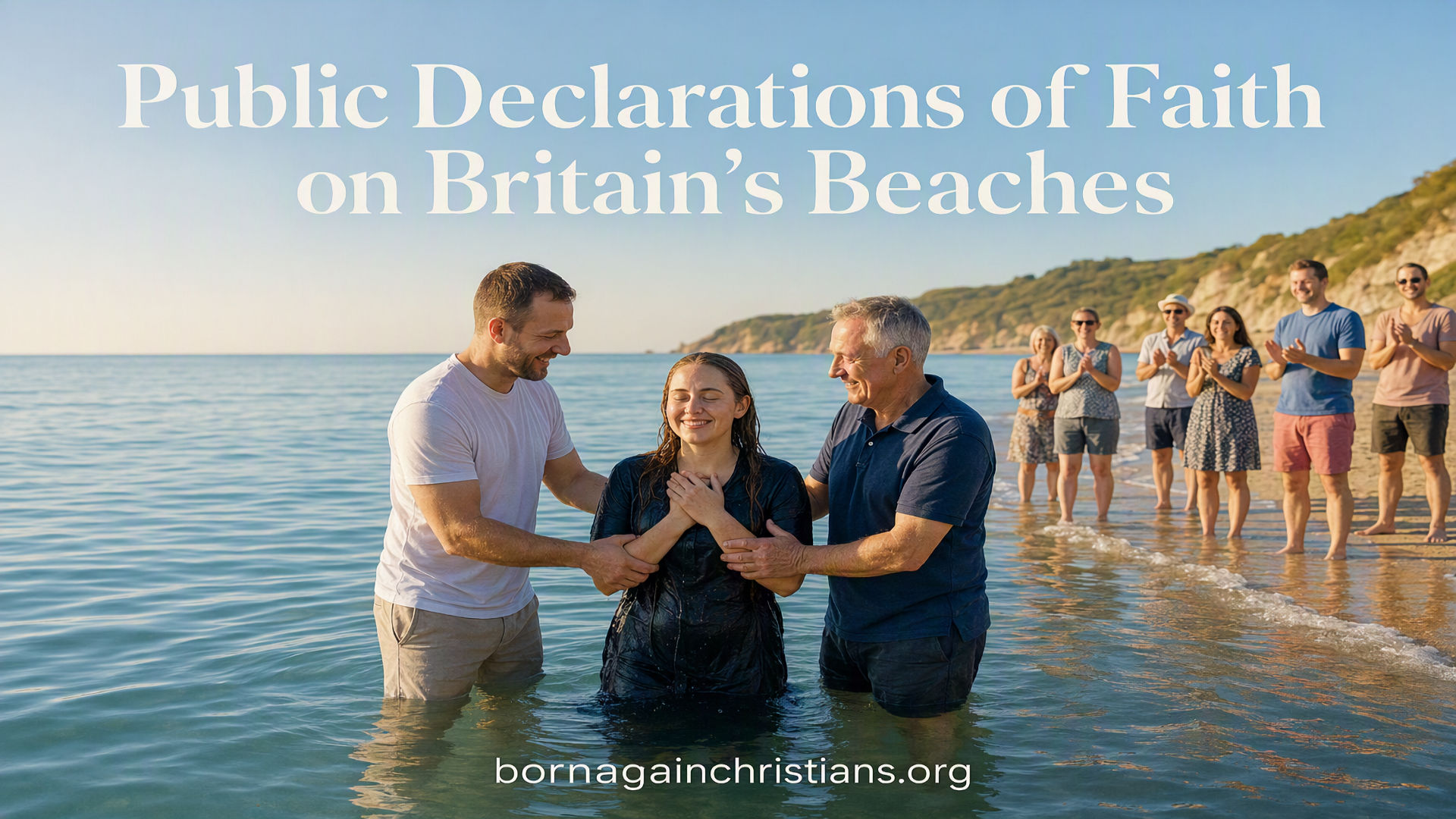
We don’t make any historical group our authority. But their desire to look more like the fellowship we read about in the book of Acts is something we can appreciate. Acts 2:42 says, “And they continued steadfastly in the apostles’ doctrine and fellowship, in the breaking of bread, and in prayers.” That is still a simple, Spirit-led pattern. We baptise believers by immersion after they have trusted Christ—not as a means of salvation, but as a public confession of what the Spirit has already done in the heart (Matthew 28:19-20; Acts 8:36-38; Romans 6:3-4).
Staying with the Plain Statements of Scripture
Over the years, heavy systems have grown up around the Reformation. Some teachings limit the invitation of the gospel or make the response of faith something God only grants to a chosen few. We prefer to stay with what the Word clearly says.
God desires all men to be saved and to come to the knowledge of the truth (1 Timothy 2:4). Jesus is the propitiation for our sins, and not for ours only but also for the whole world (1 John 2:2). “For God so loved the world that He gave His only begotten Son, that whoever believes in Him should not perish but have everlasting life” (John 3:16). “Whoever calls on the name of the Lord shall be saved” (Romans 10:13).
Nobody earns salvation by believing. Faith is simply receiving what Christ has already provided (Ephesians 2:8-9). The gospel is a genuine offer to every person. We preach it freely because God really does love the world. Man is responsible to respond. Jesus said, “You are not willing to come to Me that you may have life” (John 5:40). Grace can be resisted (Matthew 23:37; Acts 7:51). At the same time, all are sinners and unable to save themselves (Romans 3:23; 6:23). Apart from the conviction and work of the Holy Spirit, no one comes (John 16:8; 1:12-13).
We don’t need to defend every conclusion that later systems drew. Our standard is not whether Luther, Calvin, or anyone else taught something. Our standard is whether Jesus and His apostles taught it. The Bereans were commended because they received the word with readiness and searched the Scriptures daily to see whether what they heard was true (Acts 17:11). If they could examine Paul that way, we can examine anyone else the same way.
Bible Strong, Not System Strong
You know folks, being a Protestant does not automatically make someone doctrinally sound. You can reject the pope and still misunderstand the free offer of the gospel. You can affirm the Five Solas and still adopt frameworks that go beyond the plain teaching of Scripture. The Reformation was a step and it was not the finish line.
Luther is not our Saviour. Calvin is not our authority. Jesus Christ is our Saviour, and His Word is our final authority. 2Timothy 3:16-17 tells us that all Scripture is given by inspiration of God and is profitable for doctrine, for reproof, for correction, for instruction in righteousness, that the man of God may be complete, thoroughly equipped for every good work.
That is how we become Bible Strong. Open the text. Read it in context. Let the Holy Spirit teach you. When the focus stays on Christ crucified and risen, and on the Scriptures themselves, the spirit stays alive. We are not called to reform people into any particular system. We are called to preach Jesus Christ and to call sinners to place their faith in Him alone.
Happy Reformation Day. Be grateful for the courage of men who challenged religious corruption and helped make the Bible accessible. Then keep going back to the Word. The Lord is faithful to lead those who want to know Him through His Scriptures.
May the Word of Christ dwell in you richly (Colossians 3:16).

















Add comment